
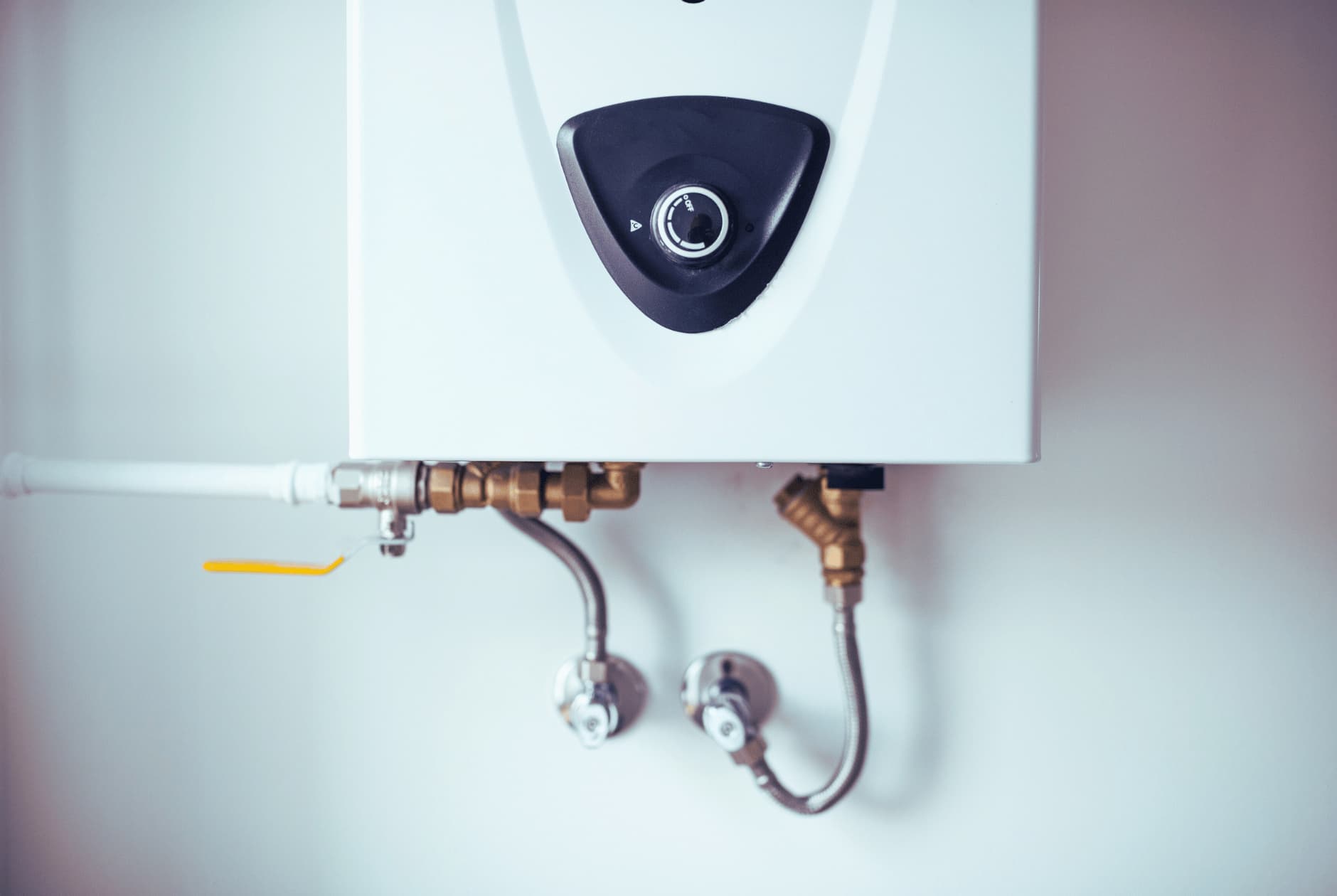
Perth’s energy landscape is rapidly evolving. Rising gas prices, tightening environmental regulations, and the rollout of cleaner technologies are reshaping how households power their homes. Among the most affected appliances is the humble hot water system—a fixture often overlooked until it fails.
Many Perth homes still depend on gas hot water systems installed 10 to 15 years ago. These units are now nearing or exceeding their expected lifespan. With repairs becoming more frequent and gas costs climbing, replacement is no longer just a matter of convenience, but it’s a financial and environmental consideration.
Homeowners now face a pivotal choice: replace with a like-for-like gas system or switch to a modern electric alternative. Electric heat pumps and solar hot water systems are emerging as leading options, offering lower running costs and reduced carbon emissions.
The decision isn’t straightforward. It involves weighing upfront costs, energy efficiency, climate compatibility, and long-term savings.
Why Perth Homeowners Are Rethinking Gas Hot Water?
Perth is at a turning point in its energy transition. The city is committed to achieving net-zero emissions by 2050, and residential energy use is a major focus. Gas, once the affordable and convenient choice for hot water, is losing its appeal as prices rise and supply security becomes uncertain.
At the same time, government policies are steering households toward electric and renewable systems. Rebates, incentives, and updated building codes are making it easier and cheaper to move away from gas. For many homeowners, the question is no longer if they should switch, but when.
Key Reasons for the Shift
- Higher running costs: Gas prices in Western Australia have been climbing steadily, often outpacing electricity tariff increases. For households using gas solely for hot water, the supply charge alone can add hundreds of dollars annually—even before usage costs are factored in. Electric systems, particularly heat pumps, are now cheaper to run in most scenarios.
- Carbon emissions: Gas hot water systems burn natural gas to heat water, directly producing carbon dioxide. As Perth moves toward cleaner energy, reducing household emissions has become a priority. Electric systems, especially when paired with rooftop solar, offer a low- or zero-emission alternative.
- System aging: Many gas units installed in the 2010s are now showing their age. Efficiency drops over time, maintenance becomes more frequent, and parts become harder to source. Replacing an aging system proactively avoids emergency breakdowns and allows homeowners to take advantage of current rebates.
- Incentives: Federal and state programs are offering rebates on heat pump and solar hot water installations. These incentives significantly reduce upfront costs, making the switch more financially attractive than ever before.
How Long Do Gas Hot Water Systems Last?
Gas hot water systems don’t last forever. Most units have a finite lifespan, after which efficiency declines and repair costs rise. If your system is approaching or exceeding its expected lifespan, replacement often makes more financial sense than ongoing repairs. Efficiency typically drops by 20–30% in aging units, meaning you’re paying more for the same amount of hot water.
| System Type | Typical Lifespan | Signs of Aging | Common Problems |
| Storage Gas | 10–12 years | Rust, leaks, and slower heating | Pilot light issues, tank corrosion |
| Instant Gas | 12–15 years | Fluctuating temperatures, inconsistent flow | Burner faults, heat exchanger scaling |
| LPG System | 8–10 years | High running costs, slower performance | Cylinder wear, regulator issues |
Warning Signs It’s Time to Replace Your Gas Water Heater
Knowing when to replace your gas hot water system can save you from costly emergency repairs and wasted energy. Here are the key warning signs:
- Inconsistent water temperature or pressure, especially during showers or when multiple taps are in use
- Strange noises, such as rumbling, popping, or banging sounds, coming from the tank, are often caused by sediment buildup
- Rusty or discoloured water flowing from hot taps indicates internal corrosion
- Frequent pilot light failure that requires relighting or won’t stay on
- Higher gas bills despite no change in household usage or hot water demand
- Visible corrosion, rust, or moisture around the tank base or connections
- Your plumber informs you that replacement parts are discontinued or increasingly difficult to source
Comparing Replacement Options for Perth Homes
| System Type | Energy Source | Efficiency | Average Running Cost/Year | Upfront Cost | Rebate Eligibility | Ideal For |
| Gas (new) | Natural gas | 70–80% | $900–$1,100 | $1,500–$2,000 | ❌ | Short-term use, renters |
| Electric (standard) | Electricity | 95% | $1,200 | $1,000–$1,400 | ❌ | Budget buyers, small households |
| Heat Pump | Air energy + electricity | 300–400% | $300–$400 | $2,800–$4,000 | ✅ ($1,000–$1,200) | Energy savers, long-term owners |
| Solar + booster | Sunlight + electricity/gas | 400–500% | $200–$350 | $3,500–$5,000 | ✅ (varies) | Eco-focused homes, solar panel owners |
Heat pumps and solar systems stand out for their long-term savings and environmental benefits. While they require a higher initial investment, government rebates significantly reduce upfront costs. Heat pumps are particularly well-suited to Perth’s climate, efficiently extracting warmth from ambient air even on cooler days.
Average Replacement Costs
Replacing a gas hot water system in Perth involves more than just the price of the new unit. Installation complexity, necessary modifications, and system type all influence the final bill. Understanding these costs upfront helps you budget effectively and avoid surprises.
Replacing a gas hot water system in Perth involves more than just the price of the new unit. Installation complexity, necessary modifications, and system type all influence the final bill. Understanding these costs upfront helps you budget effectively and avoid surprises.
Average Replacement Costs in Perth
These estimates include the removal of your old system and professional installation:
- New gas-to-gas system: $1,800–$2,500
- Gas to heat pump conversion: $3,000–$4,500
- Gas to solar hybrid: $4,000–$5,500
Factors That Affect the Cost
- Existing plumbing and gas line removal: Switching from gas to electric may require capping off gas lines and modifying plumbing connections, adding $200–$500 to the total cost.
- Need for electrical upgrades: Heat pumps and electric systems require a dedicated power supply. Older Perth homes may need switchboard upgrades or new circuit installation, potentially adding $500–$1,000.
- Tank size and water usage: Larger households need bigger systems. A 315-litre heat pump costs more than a 250-litre model, with price differences of $400–$800 depending on capacity.
- Brand and installer rates: Premium brands and certified installers charge more, but often provide better warranties and service. Perth installer rates vary, with quotes differing by $300–$700 for the same job across providers.
Government Rebates and Incentives in WA
Government support can significantly reduce the cost of upgrading your hot water system in Perth. Understanding what’s available and how to access it ensures you maximise your savings.
| Incentive Type | Amount | Eligibility | How to Access | Notes |
| STC Rebates | $1,000–$1,200 | Approved heat pump and solar hot water systems replacing old electric or gas units | Through the Clean Energy Regulator or accredited installers | Rebate value depends on system size and location zone |
| Additional Local Offers | Varies ($100–$300) | Sustainable upgrades in participating Perth council areas | Contact the local council or check their website | Not all councils offer these; availability changes |
| Federal Energy Efficiency Schemes | Varies | Energy-efficient appliances meeting minimum standards | Registered retailers and installers | May be combined with STC rebates |
Always confirm rebate eligibility before purchasing your system. Some models and brands qualify for higher benefits, and rebate amounts can change based on government policy updates. Working with an accredited installer ensures the process is handled correctly and you receive the full entitlement. Check the Clean Energy Regulator website or ask your installer to verify current rates for your specific system and postcode.
Make a Smart Switch
For Perth homeowners, replacing an aging gas hot water system is more than an upgrade — it’s a smart step toward energy efficiency, long-term savings, and environmental responsibility.
With rebates of up to $1,200 and the chance to cut running costs by as much as 70%, switching to a modern system delivers both financial relief and sustainability benefits. Now is the perfect time to make the change and enjoy reliable, eco-friendly hot water every day.
A trusted name in the industry, Austwest Plumbing and Gas has been helping Perth families with expert hot water solutions for years. Their licensed local team provides professional advice, quality installations, and ongoing support to ensure your new system runs at peak efficiency.
Contact Austwest Plumbing and Gas to explore tailored replacement options and confidently future-proof your home’s hot water system.